The Restart That Changes Where Everyone Can Move
Learn how a sports restart sets positions, limits movement and returns a stopped game to open play, so you can follow the first tactical choices.
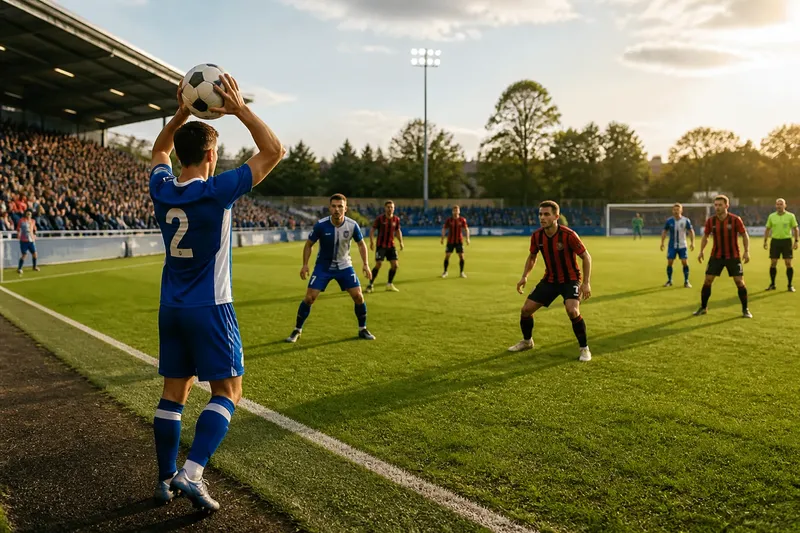
A ball rolls over the touchline, and players who were sprinting moments ago begin to take up deliberate positions. A sports restart is not simply a pause before the same game resumes: it sets a starting point, may restrict movement and shapes the first available choices. Watch for the moment those conditions give way to open play.
A restart begins from a rule-bound position
Open play is the phase in which the ball or puck is live and players act under the sport’s ordinary rules. A restart resumes play after a stoppage. Depending on the sport and the reason for the stoppage, it might be a throw-in, kick-off, free kick, corner, face-off or another set procedure.
The official identifies the restart, and that decision sets its starting conditions. The location may be fixed by the incident, such as where the ball crossed a boundary, or chosen from a designated area. The team entitled to restart may also be specified. The same space can be open to one player and restricted for another until the ball is live.
A restart is like resetting a board game after a turn: pieces can be arranged for the next move, but the new position does not permit anyone to ignore the rules. Players can prepare, communicate and look for space. They cannot assume ordinary movement is allowed before the restart has legally begun.
The boundary between preparation and live play matters
During a stoppage, players often move into useful positions. A receiver may drift away from a defender; teammates may spread out; opponents may back away from the ball. Rules can require particular players to keep a specified distance, stay behind a line or occupy certain areas. These restrictions are part of the restart, not mere etiquette.
The change to open play usually hinges on a defined event: the ball is kicked, thrown, tapped, touched or otherwise put into play according to that sport’s rules. The exact trigger differs. Until it happens, an early run or touch may be illegal, even if it would be ordinary once play is live. After it happens, some restart-specific limits may end while other rules, such as offside or possession restrictions, continue to apply.
Keep two questions separate: What must players do before the signal or action? and What becomes legal immediately after it? This distinction helps you avoid confusing a player’s position during setup with their freedom during open play.
Use this viewing checklist to follow the restart
Check each cue in order. If a detail is unclear, the sport’s rules determine the precise requirement; do not assume a procedure from one sport applies to another.
- Check where the official places the ball or puck. If it is at a boundary or marked spot, follow the restart from there; if it is elsewhere, watch for the official’s direction before judging the setup.
- Check which team has the restart. If the official’s signal or the procedure makes that clear, watch that team’s first option; if it is unclear, wait for the restart rather than guessing from player positions.
- Check whether opponents are being held back by a line, distance or marked area. If they are, note the space the restarting team can use; if they are not, look for a different rule or procedure that controls their position.
- Check whether a player is waiting for a signal or a required action. If so, treat movement before that cue as part of the setup; if the cue has occurred, follow the live action under the ordinary rules.
- Check who is positioned to receive the first pass or contest the ball. If a clear option appears, follow that player after the restart; if no option is obvious, watch how the first touch creates one.
- Check what the player taking the restart does next. If the rules permit that player to touch the ball again, follow their movement; if a restriction applies, watch for the teammate or opponent who must touch it first.
Positioning controls the first available options
A restart can make some routes easy and others difficult before anyone touches the ball. A team taking a throw-in, for example, may have a player close to the line as a short option and another farther away as a longer target. Opponents may stand to block the direct route or protect the space behind them. The arrangement shapes the first decision, but it does not dictate the whole passage of play.
Imagine a fictional match with a sideline restart. The player holding the ball sees a nearby teammate check towards the boundary and another stay infield. The opponents leave the required space but position themselves to obstruct the infield pass. Once the throw is legally released, the first teammate can receive and return the ball, while the thrower may move according to the sport’s rules. The expected visible result is a short exchange that draws defenders towards the boundary, leaving the next choice to the receiver and their teammates.
The visible change is not just that the ball has moved. The restart’s restrictions have given way to a live contest over possession and space. Track the ball, the nearest opponents and the player who took the restart. Their movements reveal which options came from the setup and which emerged only after play resumed.
What do viewers ask about a restart?
Why do players wait before moving?
Some movements must wait until the ball is put into play, while other players may reposition during the stoppage. The referee’s signal, the official’s placement of the ball or the player’s first legal action can mark the boundary, depending on the sport.
Why do opponents leave space around the ball?
A restart rule may require opponents to keep a stated distance or remain outside a marked area. This gives the restarting team room to perform the prescribed action, though opponents can still arrange themselves to defend the likely next pass.
Does the player taking the restart get the ball back?
That depends on the sport and the particular restart. Some rules allow the player to play the ball again after another player has touched it; others impose a restriction or require a different sequence.
When does a restart become open play?
Look for the action named in the rules that puts the ball live, rather than assuming movement alone starts play. If the ball has not been legally put into play, the restart conditions may still govern what players can do.
Different sports use different restart procedures
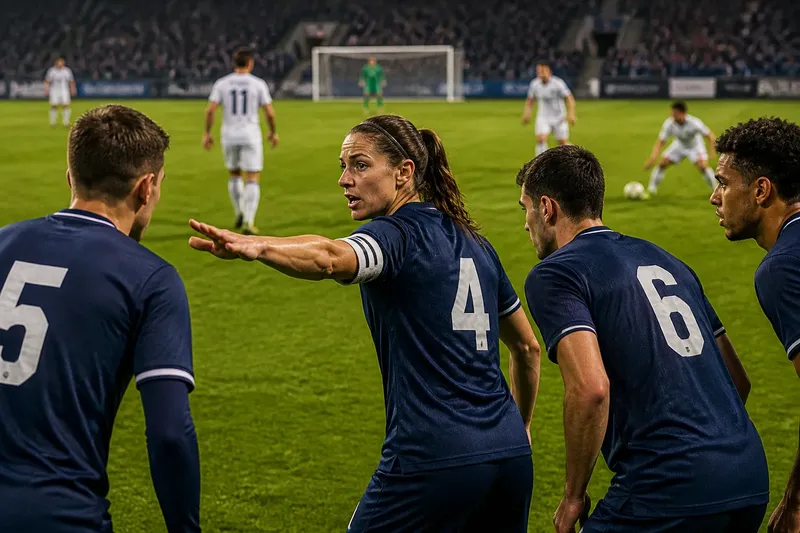
In football, a free kick and a throw-in resume play in different ways, so their starting positions and the moment play becomes live are not identical. A free kick may involve opponents standing back from the ball; a throw-in involves a player at the touchline using the required throwing motion. In both cases, the first live action changes what players can do next.
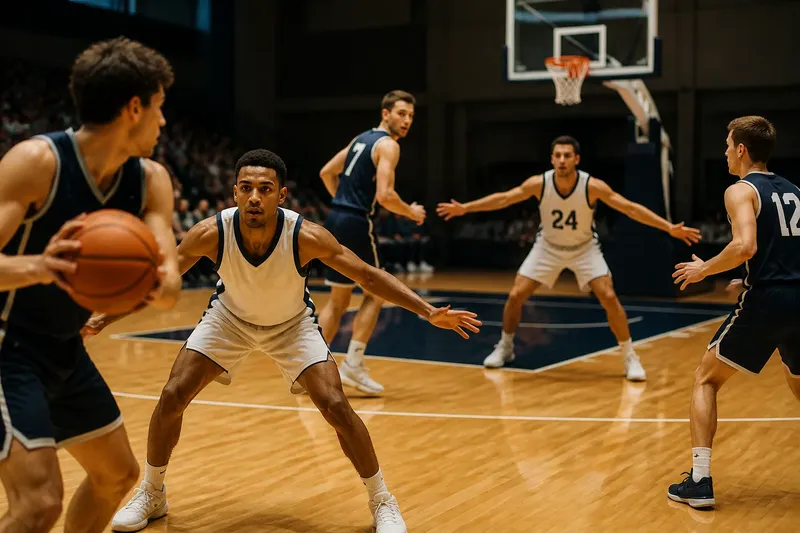
Basketball offers a different pattern. A throw-in takes place from outside the court boundary, and the ball becomes live through the prescribed pass onto the court. The thrower’s restrictions and the receiver’s position shape the opening option. Once the ball is legally in play, the teams shift into ordinary possession and defence.
In ice hockey, a face-off places players around a marked spot, with rules governing their position and the puck’s release. The contest begins at a concentrated point, then expands as players pursue the puck into open ice. A restart need not begin with a pass into space; it can start as a direct contest for possession.
These sports use different procedures, but the viewing habit is the same: identify the restart, notice who is constrained, and watch for the event that makes the ball or puck live. Do not transfer a detail from one sport to another. The general pattern helps you ask the right question; the sport’s own rule supplies the answer.
Restart rules shape tactics without settling the outcome
Teams use the setup to create an early advantage. They might offer a safe short option, place a receiver in a less crowded lane or aim towards a teammate who can challenge for the ball. Defenders can counter by marking likely receivers, screening a route or preparing to contest the next touch. These choices are tactical, but they operate inside the restart’s legal limits.
A restart also changes the balance between certainty and surprise. The starting point and procedure are known, so the defending team can prepare. The attacking team may disguise its preferred route by looking towards one player and using another. Once the ball is live, the plan meets the opponents’ response. The restart creates the first conditions; open play decides what follows.
Officials help preserve this boundary by managing the location, spacing and signal where the rules call for them. A delay can matter if the official is setting the players or waiting for the required signal. Watch for the cue rather than treating every pause as interchangeable.
Follow the first passage after the stoppage
When play stops, note where it will restart and which team has the right to do so. Look at the nearest players, then check whether anyone is held back by a line, distance or special position. Finally, watch for the legal action that puts the ball into play. This sequence makes the shift from preparation to open play easier to see.
The procedure and its exact limits depend on the sport’s rules and, where relevant, the competition’s instructions. If a disputed restart affects a match, consult an official rulebook or a qualified referee for a precise ruling.
Once you recognise the restart, the next movement often makes more sense: a player who seemed slow to join the action may have been waiting for the ball to become live, while a teammate’s early position may have been chosen to open a route. Treat each restart as a fresh starting point: identify its legal cue, then follow how the first touch changes the available space.